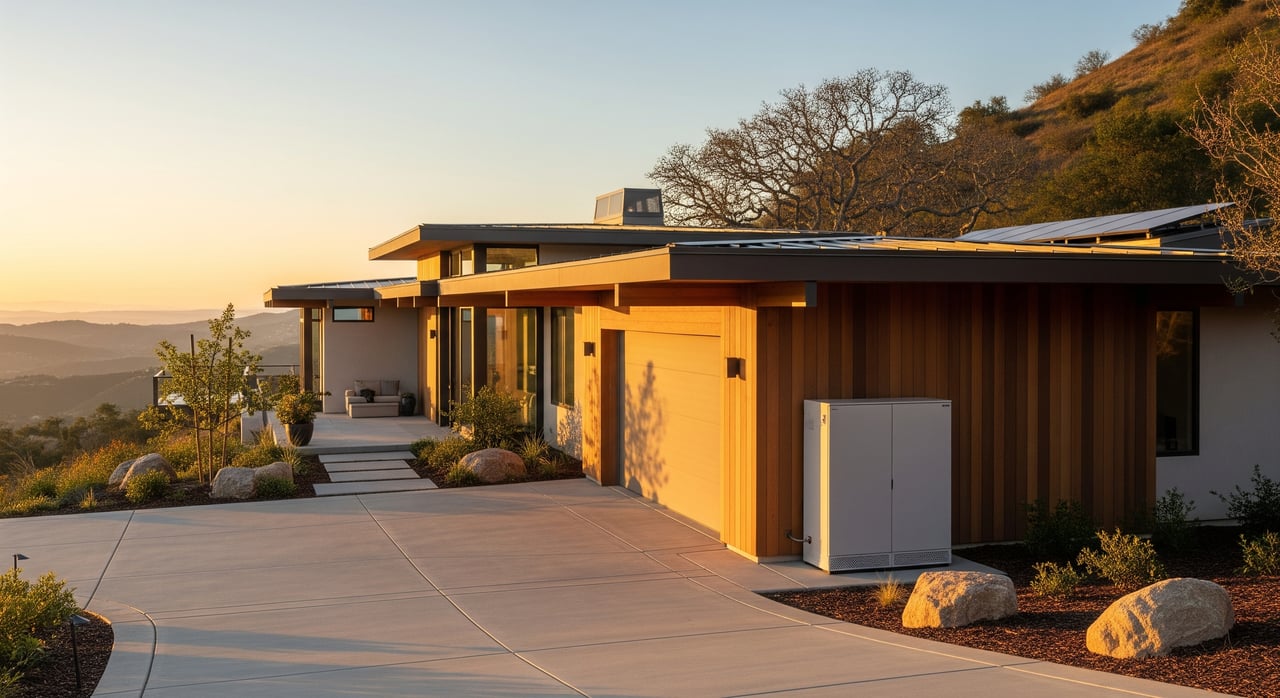
Power shutoffs and wildfire weather can turn a normal day in Harbison Canyon into a scramble for light, refrigeration, and medical needs. If you are weighing battery backup or pairing a battery with rooftop solar, you want clear answers and a smooth plan. This guide explains how California’s Self-Generation Incentive Program, or SGIP, can help with rebates, what to expect in SDG&E territory, and the steps to go from idea to installed system. You will walk away with a practical path to pursue storage that fits your home and your goals. Let’s dive in.
What SGIP covers
SGIP is a state incentive program overseen by the California Public Utilities Commission. It helps pay for distributed energy technologies, including home battery energy storage systems. Funding is organized in budgets that open and close over time, so availability can change.
Incentives are grouped into the General Market and targeted Equity and Resilience budgets. The targeted funds are designed for low-income and medically vulnerable customers, and for households in high-risk areas that need stronger backup support. These buckets typically offer higher per-kilowatt-hour incentives.
To receive funds, your contractor submits a reservation, completes installation, and then files a final claim. Incentives are paid after verification and required inspections. The program requires eligible, listed equipment and adherence to safety standards and monitoring rules.
Why it matters in Harbison Canyon
Harbison Canyon sits in a high-wildfire, steep-terrain area of East County. SDG&E uses Public Safety Power Shutoffs during dangerous fire weather. For many canyon homes, resilience during outages is the main reason to install batteries.
If you plan for extended shutoffs, system sizing and how you wire your backup loads become key. A right-sized design can support essentials while stretching your stored energy. This is where SGIP can help reduce upfront cost and make a resilient setup more attainable.
Who may qualify
Homeowners can qualify for SGIP with battery backup or solar plus storage. The core requirement is to use eligible equipment and follow program rules. Your installer will document the system and submit paperwork to the program administrator.
Some households may qualify for higher incentives under Equity or Resilience budgets. These categories focus on income-qualified customers, residents of designated disadvantaged communities, and households with medical baseline or medically necessary electricity needs. You will need documentation, such as income proof, a medical baseline card, or proof of residence in a qualifying census tract.
Your best path in SDG&E
Interconnection basics
Battery and solar plus storage projects must pass SDG&E’s interconnection review. Installers typically submit a Rule 21 application and include your equipment details, inverter capacity, and whether the system will export power. Larger or export-capable designs may face extra engineering screens, so build this into your timeline.
Permits and fire review
Projects in Harbison Canyon require San Diego County building permits. Expect electrical plans, battery equipment cut sheets, and code-compliant layouts. The local fire authority or county fire marshal may review hazards, clearances, signage, and access. Your installer should coordinate with the county and fire agency to prevent delays.
Siting in wildfire areas
Defensible-space requirements, terrain, and ventilation can shape where your battery sits. Many homeowners choose indoor garages or exterior walls with proper clearances. Work with your installer to meet code and to protect equipment in high-heat, high-dust environments.
Step-by-step SGIP process
- Initial site assessment
- Your installer reviews your load profile, outage goals, possible solar pairing, existing electrical panels, and siting. They will also check for well pumps or medical devices that affect sizing.
- Select equipment and contractor
- Choose SGIP-eligible batteries and an installer experienced in SDG&E territory and SGIP paperwork. Ask for references and a sample timeline.
- SGIP reservation application
- Your contractor submits a reservation to the program administrator. They identify the correct incentive bucket and attach your project details. If you seek Equity or Resilience funds, you provide eligibility documents to the installer for the application.
- Permits and interconnection
- The installer submits for San Diego County permits and files SDG&E interconnection. These steps often run in parallel. Confirm who handles each submittal and how long reviews usually take.
- Installation and inspections
- After permits are issued and your reservation is secured, the crew installs the system. County and SDG&E inspections follow. Keep access clear and be available for inspection windows.
- Final SGIP claim
- Your contractor files commissioning data, as-built documents, and proof of interconnection and inspections. Incentive payments are issued after verification.
Documents you may need
- Proof of ownership or occupancy, such as a utility bill or deed.
- For Equity or Resilience: income verification, a medical baseline card, or proof of residence in a designated area.
- Signed agreements and site plans.
Typical timeline
Reservation processing varies by incentive bucket. Permits and interconnection can take several weeks to a few months, depending on reviews and scheduling. Incentive payments arrive after final paperwork and verification, which can add more weeks.
Sizing for outages
Critical loads vs whole-home
A critical-load subpanel powers essentials like the refrigerator, a well pump, some outlets, lights, and possibly medical equipment. This keeps battery capacity and cost lower, and it often extends your backup hours. Whole-home backup provides more comfort but needs larger batteries and more robust transfer equipment.
Backup hours to target
Plan around typical consumption during an outage. A smaller system in the 5 to 10 kilowatt-hour range can cover essentials for shorter outages. If you want multi-day resilience, you will need significantly more capacity and may want to layer in load management, such as smart thermostats and careful appliance use.
Solar pairing choices
Pairing with rooftop solar can recharge your battery during daylight hours, which helps during extended shutoffs. Your installer will set controls to focus on backup support when the grid is down. Some SGIP buckets emphasize resilience and may require specific control configurations.
Costs, incentives, and taxes
SGIP uses a per-kilowatt-hour incentive that lowers upfront cost. Targeted budgets can make a bigger dent in cost for qualifying households. Incentive levels and availability can change, so treat any advertised figures as time sensitive.
If you pair solar and storage, your installer will design the system to maximize resilience and overall value. Federal and state tax rules can differ based on how the battery is charged and used. For questions about the federal residential clean energy credit and other tax impacts, consult a tax professional.
Batteries carry warranties based on years and cycle counts. Ask about expected degradation and replacement timelines so you understand long-term costs.
Avoid delays
- Budget depletion: Incentive buckets can close. A strong installer submits your reservation quickly once equipment and documents are set.
- Incomplete documents: Missing proof of income, medical baseline, or inaccurate equipment details can stall applications. Review your paperwork carefully.
- Interconnection reviews: Export-capable systems may trigger extra engineering steps. Build this into your schedule and discuss design tradeoffs upfront.
Realistic backup planning
Decide what you truly need to run during a PSPS. A well pump, fridge, modem, lighting, and phone charging are common picks. Larger, continuous loads like air conditioning and electric ovens reduce run time quickly. Many homeowners choose a critical-load plan to make stored energy last longer.
Work with your installer on realistic expectations. Ask for a simple energy budget that shows likely hours of coverage under normal and conservative use. Confirm how your system islands and whether it will back up the entire home or only the subpanel.
Next steps in Harbison Canyon
- Clarify your primary goal: essential circuits or whole-home backup.
- Speak with two or three SDG&E-area installers who know SGIP and local permitting.
- Gather documents: utility account, ID, and any income or medical baseline proof if applicable.
- Ask for a timeline covering SGIP reservation, permits, interconnection, inspections, and final incentive payment.
- Confirm the battery’s eligibility, safety certifications, and warranty terms.
- Check with the local fire authority about siting and plan requirements in wildfire-prone areas.
If you are planning energy upgrades before listing your home, or if you want to understand how resilience features fit the East County lifestyle, connect with a local expert who knows Harbison Canyon and SDG&E processes. Helena is here to help you make confident, informed decisions that align with your real estate plans.
Ready for local insight on homes, upgrades, and timing your next move? Get in touch with Helena Hunter for clear, step-by-step guidance. Get your free home valuation.
FAQs
Can I use SGIP if I already have solar?
- Yes. Batteries paired with rooftop solar commonly qualify, as long as the system and documents meet SGIP and interconnection requirements.
What is the Equity or Resilience incentive?
- These SGIP categories offer higher incentives for income-qualified households, residents of designated disadvantaged areas, and medically vulnerable customers, with required documentation.
Who submits the SGIP paperwork?
- Authorized installers usually submit both the reservation and final claim. You provide eligibility documents and sign required forms.
How long does a reservation last?
- Reservation terms vary by incentive bucket and can include milestones like obtaining permits or starting installation. Ask your installer about current deadlines.
What inspections should I expect in Harbison Canyon?
- Expect San Diego County building inspections and, in some cases, SDG&E meter or interconnection checks. The local fire authority may also review battery siting and safety.
Will my battery back up the whole house?
- Only if the system is sized and configured for whole-home backup with the right inverter and transfer equipment. Many homeowners choose a critical-load subpanel to extend run time.
How long will my battery last during a PSPS?
- It depends on battery capacity and what you power. Essentials only can stretch hours or overnight, while larger loads shorten run time.
Do program rules or incentives change?
- Yes. SGIP budgets and rules are updated periodically, and availability can shift. Confirm current details with your installer and the program administrator before you proceed.